Most Chicago homeowners remember their chimney the first chilly evening in October — the same evening everyone else does. That's why fall is the busiest season for chimney sweeps. The good news is that a little planning gets you a safer fireplace and an easier appointment.
Here's how to think about chimney care across Chicago's seasons.
The short answer: late summer to early fall
For most homes, August through early October is the sweet spot for a chimney sweep and inspection:
- The fireplace hasn't been used for months, so it's cool and easy to work on
- There's time to schedule repairs before freezing weather
- Appointments are easier to get before the fall rush
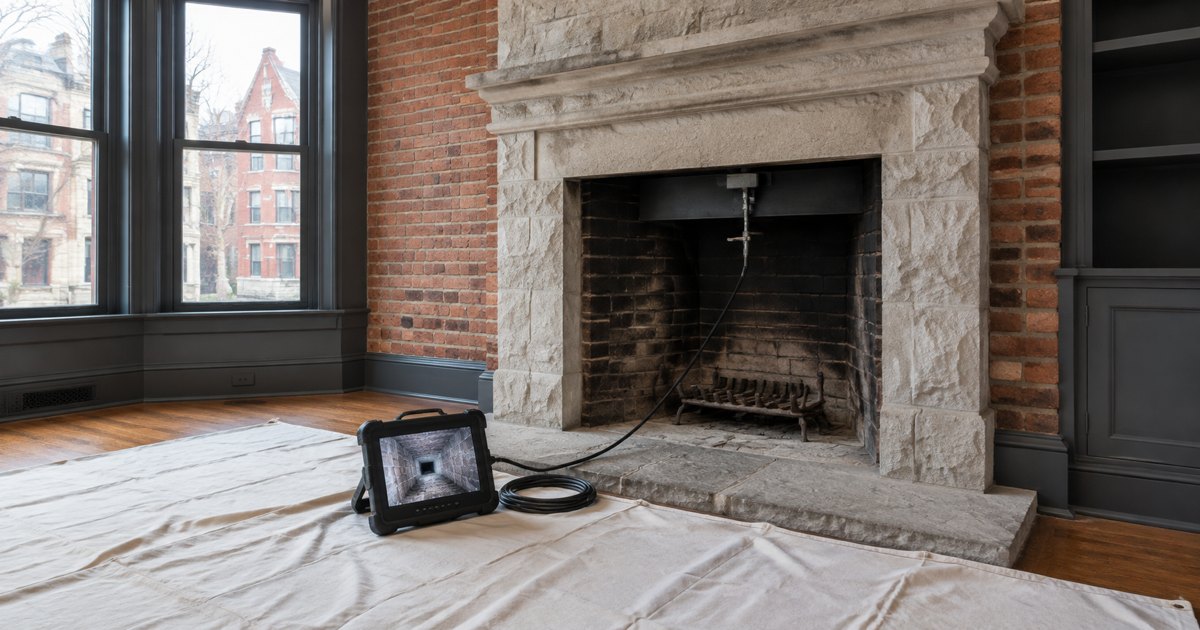
- You start heating season with a clean, inspected chimney
Season by season
Spring (March to May)
Spring is a great time to:
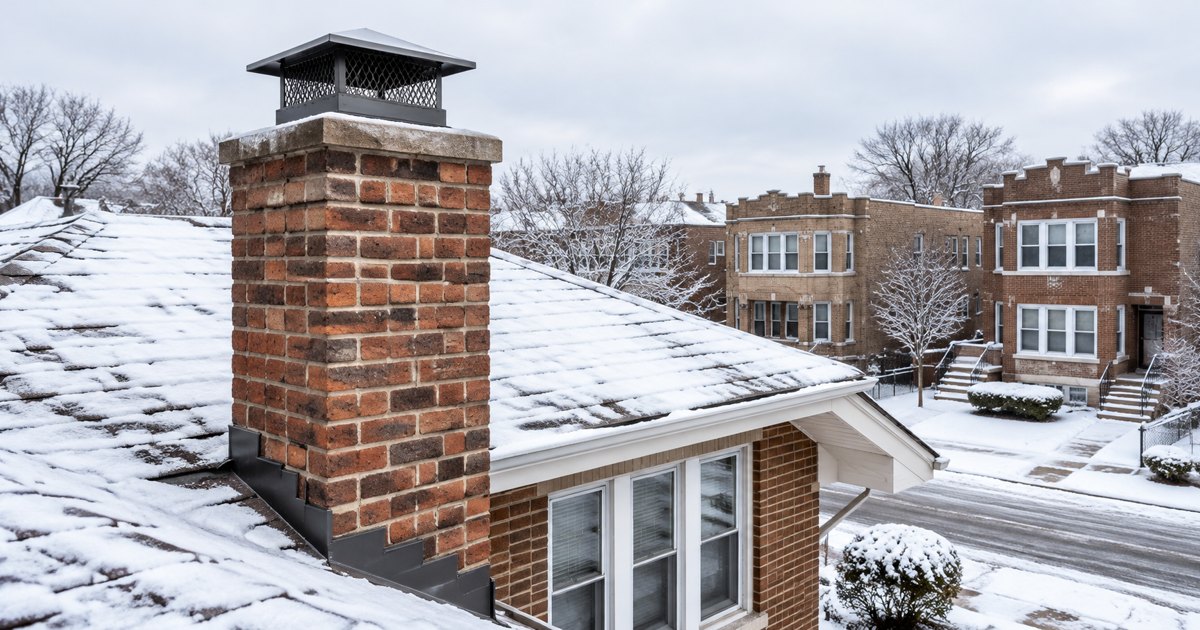
- Look for winter damage. Freeze-thaw cycles are hardest on masonry. Once the snow melts, check for crumbling mortar, flaking brick and stains. Our guide to chimney damage after Chicago winters walks through what to look for.
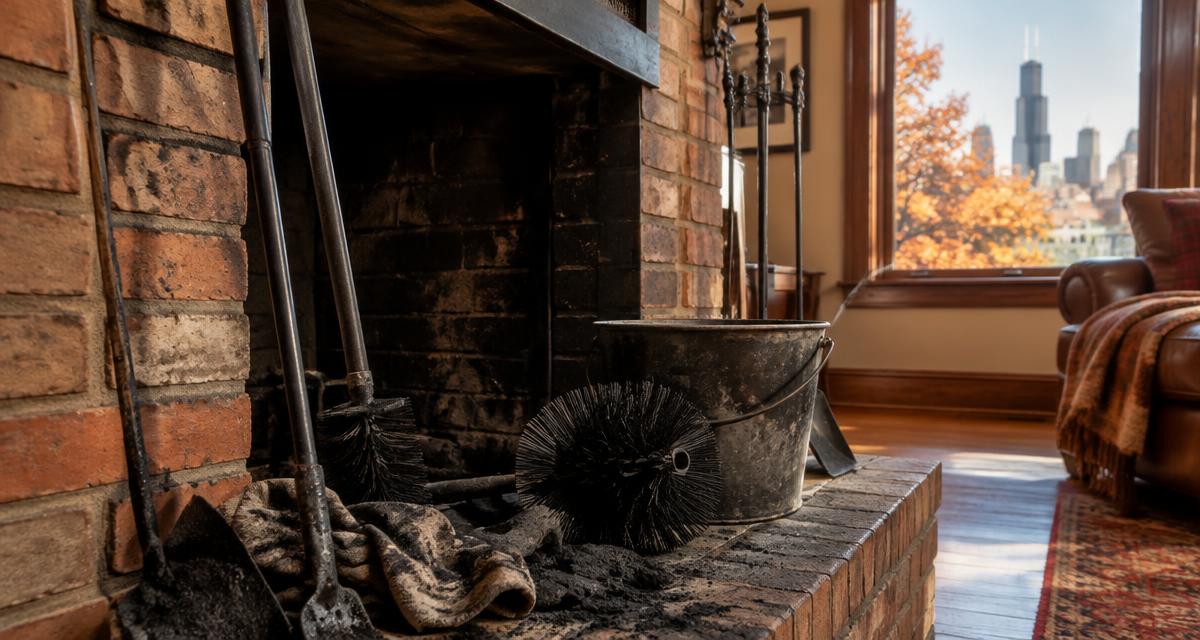
- Sweep after heavy use. If you burned a lot over the winter, cleaning in spring removes creosote before warm, humid weather brings out odors.
- Book repairs early. Masonry work fills up as the weather warms.
Summer (June to August)
Summer is the best season for masonry repairs:
- Tuckpointing and crown work need temperatures above freezing to cure
- Dry stretches make waterproofing more effective
- Roof access is safer without ice and snow
It's also a good time to install a chimney cap before fall storms and the nesting season for some animals.
If you notice a strong smell from your fireplace in summer, that's often creosote reacting to humidity. A sweep and a top-sealing damper can help.
Fall (September to November)
Early fall is ideal for your annual sweep and inspection if you didn't do it in summer. By late October, schedules tighten.
Before your first fire of the season:
- Make sure the chimney has been inspected within the last year.
- Open the damper and check that it moves freely.
- Look up the flue with a flashlight for obvious debris or nests.
- Stock up on dry, seasoned hardwood.
- Test your smoke and carbon monoxide alarms.
Winter (December to February)
Chimneys can still be swept in winter — the fireplace just can't be in use during the visit. Winter is also when problems show themselves:
- Smoke backing into the room
- Drafts from a damper that doesn't seal
- Water stains from melting snow
- Odors on mild, damp days
If you notice any of these, call. Masonry repairs may need to wait for warmer weather, but a sweep, inspection, cap or damper fix can often be handled right away. See signs your chimney needs repair for what to watch for.
How often you should schedule
Every chimney should be inspected yearly. How often it needs cleaning depends on how much and what you burn — see how often a chimney should be cleaned for the details.
Plan your year
| When | What to do |
|---|---|
| Early spring | Check for winter damage; sweep if you burned heavily |
| Late spring–summer | Masonry repairs, crown work, caps and waterproofing |
| Late summer–early fall | Annual sweep and inspection |
| Winter | Watch for smoke, drafts, smells and leaks |
Beat the fall rush
If your fireplace hasn't been looked at this year, now is the time. Request a free quote or call us and we'll find a time that works before the busiest weeks of the season.