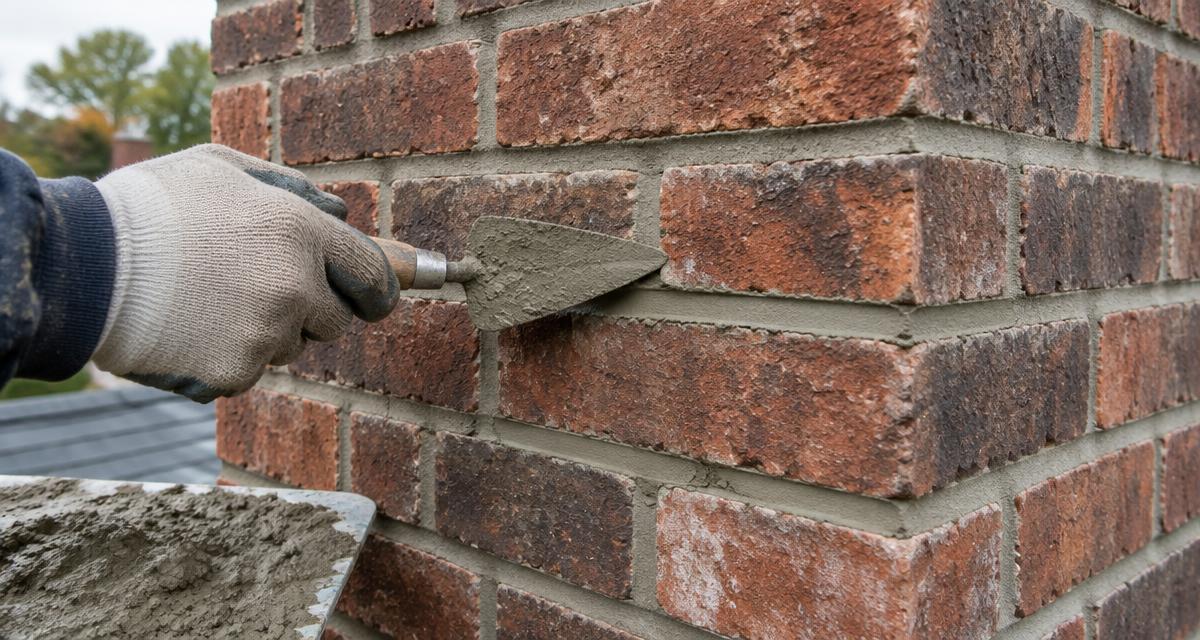
Walk down almost any block in Chicago and you'll see brick chimneys with mortar joints worn back from the brick face, sandy and soft. That's normal aging — but it's also the beginning of bigger problems. Tuckpointing is the repair that stops it.
What is tuckpointing?
Tuckpointing (also called repointing) is the process of:
- Grinding or raking out deteriorated mortar to a consistent depth
- Cleaning the joints of dust and debris
- Packing in fresh mortar in layers
- Tooling the joints so they shed water and match the look of the surrounding brick
It doesn't replace the brick — it replaces the material holding the brick together and sealing out water.
Why mortar fails first
Mortar is designed to be softer than brick. That's intentional: when the wall moves or absorbs water, the mortar takes the stress and wears out, rather than the brick cracking. Mortar is the sacrificial part of the system, and it's much easier to replace than brick.
On chimneys, mortar wears faster than on walls because:
- The chimney is exposed to weather on every side
- It gets heat from inside and cold from outside
- Wind-driven rain and snow hit it directly
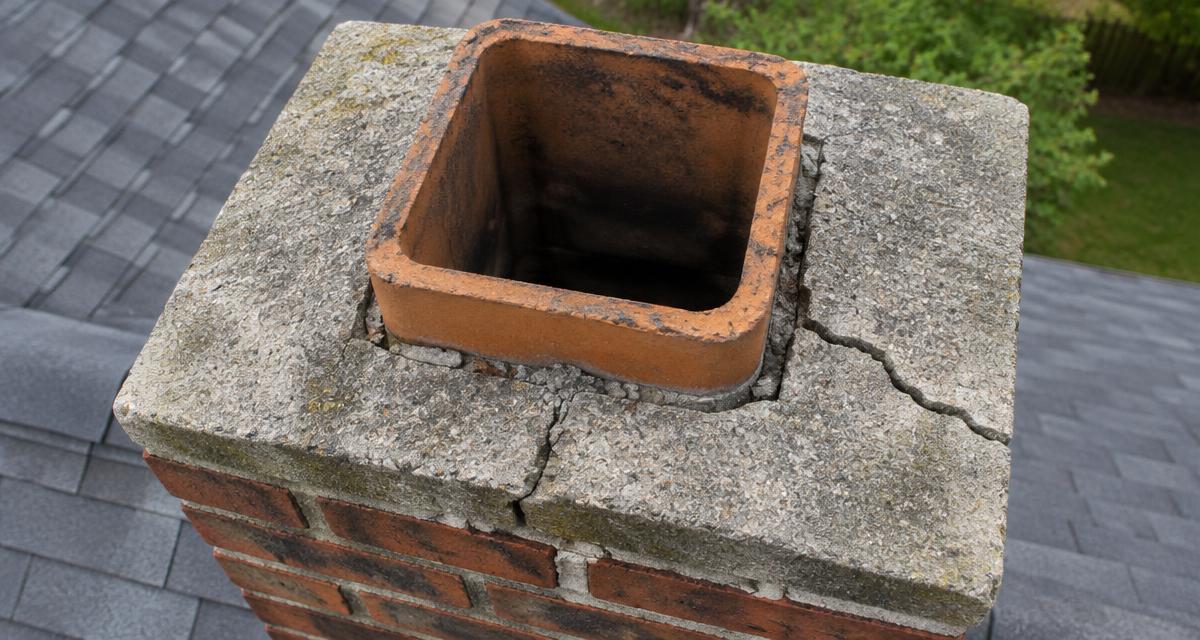
- Water from a cracked crown runs down through it
Chicago's long freeze-thaw seasons speed all of this up. We explain the process in chimney damage after Chicago winters.
Signs your chimney needs tuckpointing
- Mortar joints recessed noticeably behind the brick face
- Sandy, crumbly mortar you can scratch out with a key
- Visible gaps or holes between bricks
- Mortar debris on the roof or in the gutters
- Loose bricks near the top of the chimney
- Water stains or efflorescence on the brick
You can read about other warning signs in signs your chimney needs repair.
Why mortar matching matters on older homes
Many Chicago homes — especially older two-flats, workers' cottages and greystone-era houses in neighborhoods like Wicker Park and Lincoln Park — were built with softer, lime-rich mortar and older brick.
Using a modern mortar that's too hard on soft, old brick can cause problems:
- The new mortar doesn't flex with the brick
- Water exits through the brick instead of the joint
- The brick edges can crack and spall over time
A good repair matches the mortar's strength and color to the existing masonry as closely as practical. That protects the brick and keeps the repair from standing out.
What tuckpointing can and can't fix
Tuckpointing is the right repair when:
- Mortar is worn but bricks are mostly sound
- The chimney is straight and stable
- Damage is spread across joints rather than concentrated in broken brick
You may need more than tuckpointing when:
- Many bricks are spalled or cracked (brick replacement)
- The top courses are loose (partial rebuild)
- The chimney is leaning (structural evaluation)
- The crown is broken (see our crown repair guide)
What to expect during the job
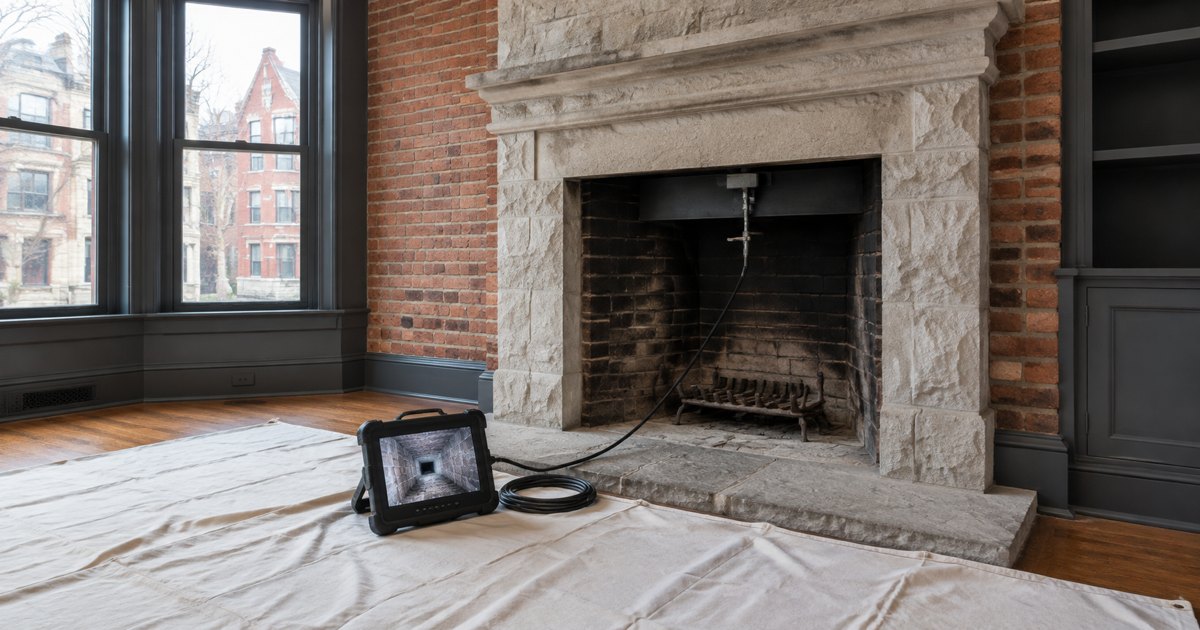
- Inspection of the masonry, crown and cap.
- Protection of the roof and surrounding areas.
- Removing old mortar to a sound depth.
- Repointing with matched mortar.
- Cleanup and, if needed, crown repair or cap installation.
- Optional breathable water repellent once the mortar has cured.
Mortar needs time and temperatures above freezing to cure, which is why masonry work is usually scheduled from spring through fall. See the best time of year for chimney work in Chicago.
Don't wait for loose bricks
Tuckpointing is far less work than rebuilding the top of a chimney. If your mortar joints are worn, it's worth getting an opinion before another winter. Our masonry and repair service covers tuckpointing, brick replacement, crown work and waterproofing.
Request a free quote or call us and we'll take a look.