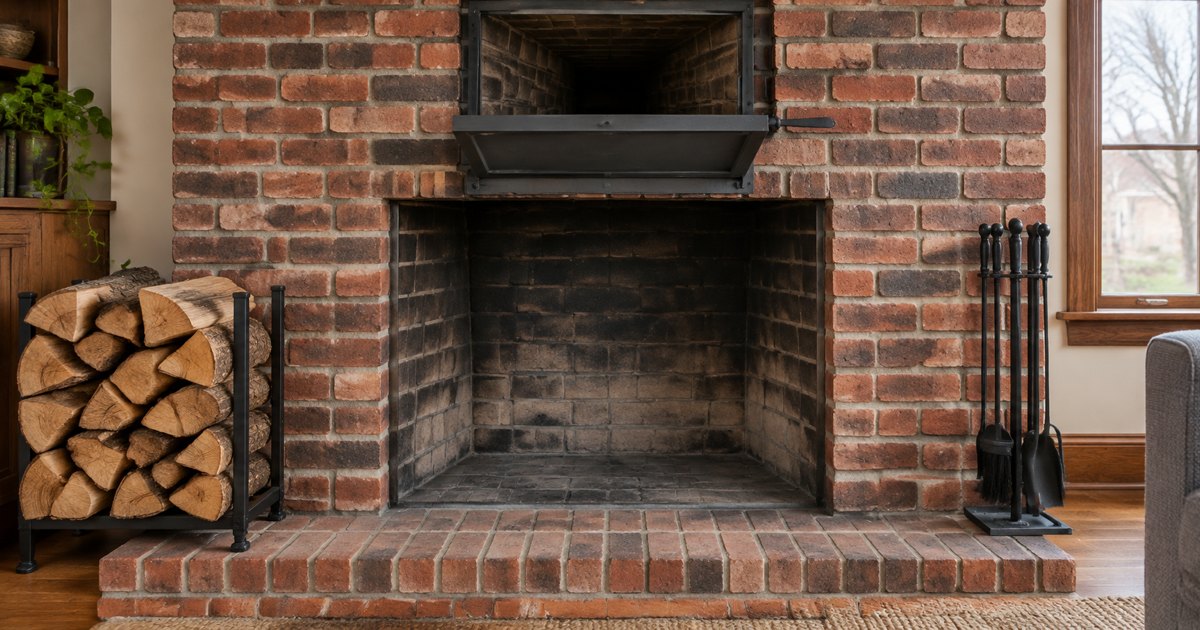
If smoke is coming into your home, stop using the fireplace and arrange a professional assessment. Do not keep lighting test fires or assume that opening a window proves the chimney is safe. If there is a carbon monoxide alarm, suspected fire, gas smell or immediate danger, leave the building and call emergency services from a safe location.
Smoke spillage is a symptom, not a diagnosis. A damper, obstruction, fuel problem, cold flue, pressure imbalance or installation defect can produce similar visible behavior. Chicago's older brick homes and remodeled multi-unit buildings can add complications, but a neighborhood name cannot tell you which cause applies. This guide helps you describe the problem clearly without attempting hazardous rooftop or flue work.
What chimney draft is supposed to do
A venting system carries combustion products outdoors. Draft depends on the appliance and chimney working as a suitable system, including sizing, configuration and operating conditions. A larger fire is not a universal cure for poor draft, and a cap is not a universal cure for smoke.
The EPA's installation and maintenance guidance describes the chimney as a key part of the wood-burning system and stresses professional sizing, placement and inspection. Defects can be hidden; successful operation during one short fire does not establish overall condition.
Start by identifying the appliance. An open masonry fireplace is not operated like a wood stove or insert. Follow the instructions for your exact system rather than using an online tip written for a different appliance.
A damper may be closed, stuck or damaged
An open fireplace's damper must be in the correct position for use. A handle that moves is not always proof that the mechanism operates correctly. With the system cold, follow the manufacturer's instructions for checking accessible controls. If the mechanism is stuck or its position is uncertain, do not force it or start a fire.
A top-sealing damper and a throat damper are different designs. A cable problem, damaged component or obstruction can affect operation. Describe what the control does and whether the problem began recently, but leave repairs and inaccessible checks to the service provider.
Do not partly close a damper to retain heat while a fire is burning unless your specific listed appliance instructions call for a particular control operation. Improvising airflow settings can increase smoke and combustion hazards. Ask about damper service if the control no longer functions as expected.
Obstructions and deposits can restrict the passage
Nests, debris and combustion deposits can interfere with venting. Animal sounds, material falling into the firebox or a sudden change after a long period of non-use are useful clues, but no sound does not mean the flue is clear.
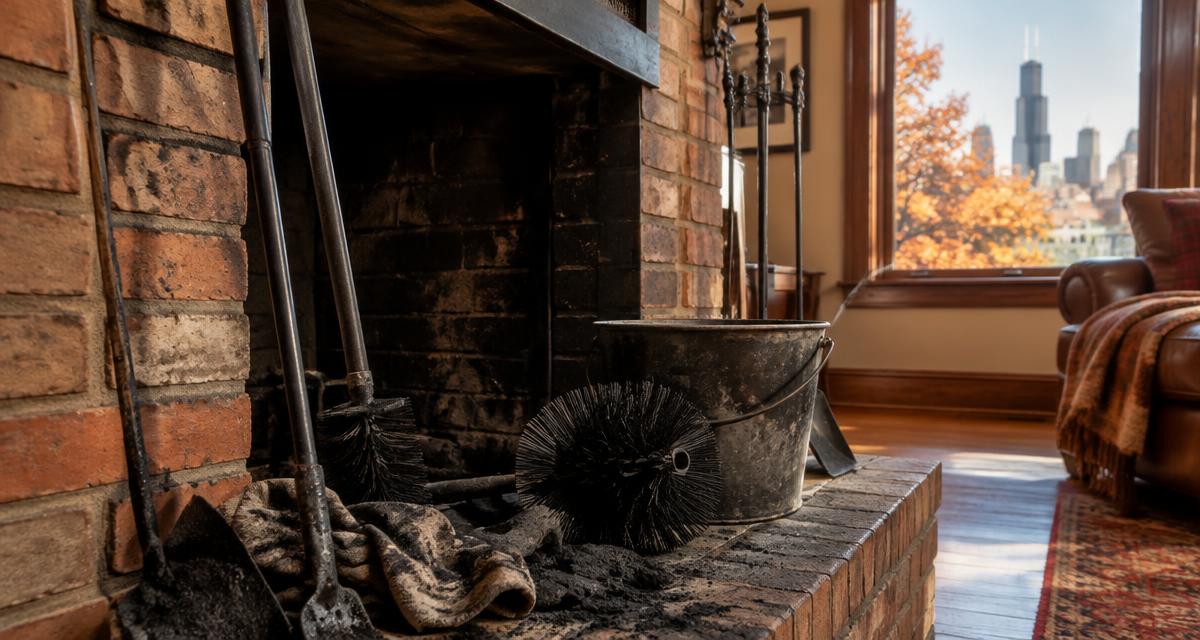
A flashlight view from below cannot show every surface or junction. Do not push improvised tools up the chimney or try to burn out an obstruction. An obstruction may require removal and further evaluation; cleaning is not a substitute for assessing damage.
The CSIA's chimney-fire guidance recommends annual checks and sweeping or repair as needed. Our chimney cleaning frequency guide explains why use, fuel and actual deposit condition matter more than a fixed cleaning promise.
A cold flue may affect startup
An exterior chimney exposed to cold weather can behave differently from a warmer interior vent. If the problem occurs only at startup, note that timing for the inspector. It is still a reason to evaluate the system rather than repeatedly creating smoky starts.
Online suggestions about heating a flue can involve open flames, accelerants or unsafe improvised procedures. Do not use those methods. Follow the appliance instructions and obtain a professional explanation of the conditions causing the problem.
Also note whether the fireplace has been unused for weeks and whether a recent cold spell coincided with the change. Timing can help the provider investigate, but it cannot rule out an obstruction or liner defect that produces a similar symptom.
Exhaust fans and renovations can change pressure
Kitchen range hoods, bathroom fans and other exhaust equipment can affect indoor pressure. A room that received tighter windows or other renovation may behave differently than before. Record whether smoke appeared while an exhaust fan was operating and whether the problem began after building changes.
Do not disable required ventilation or treat an open window as a permanent correction. Even if a change in airflow affects the symptom, the appliance and vent still need assessment. The solution may involve building ventilation as well as the chimney, and should be determined by a qualified professional.
In a two-flat or condominium, shared building conditions can complicate the picture. Tell the provider about renovations and appliance changes in the space you know about. Do not assume responsibility for another unit's systems or make changes to a shared stack without authorization.
Wet fuel and operation can add smoke
Wet or unsuitable fuel can produce more smoke. The EPA's best wood-burning practices recommends dry, split, seasoned wood with moisture content below 20 percent. Measure a freshly split face instead of relying on the look of the log's exterior.
Keep wood off the ground, cover the top and allow airflow around the sides. Do not burn trash, painted or treated wood, wrapping paper or other prohibited materials. Follow the appliance's fuel and loading instructions rather than assuming anything combustible belongs in the fireplace.
Better fuel does not make an obstructed or damaged vent safe. If smoke enters the room with dry wood, or a recurring problem continues, stop use and arrange assessment. Do not interpret a smaller amount of smoke as proof that the original cause is resolved.
Wind and roof-level conditions need professional evaluation
Wind, surrounding roof geometry and the chimney termination can influence operation. Record whether smoke appears during particular weather, but do not infer that the chimney needs to be taller or that a specialty cap is the answer. Suitability depends on the actual installation and applicable requirements.
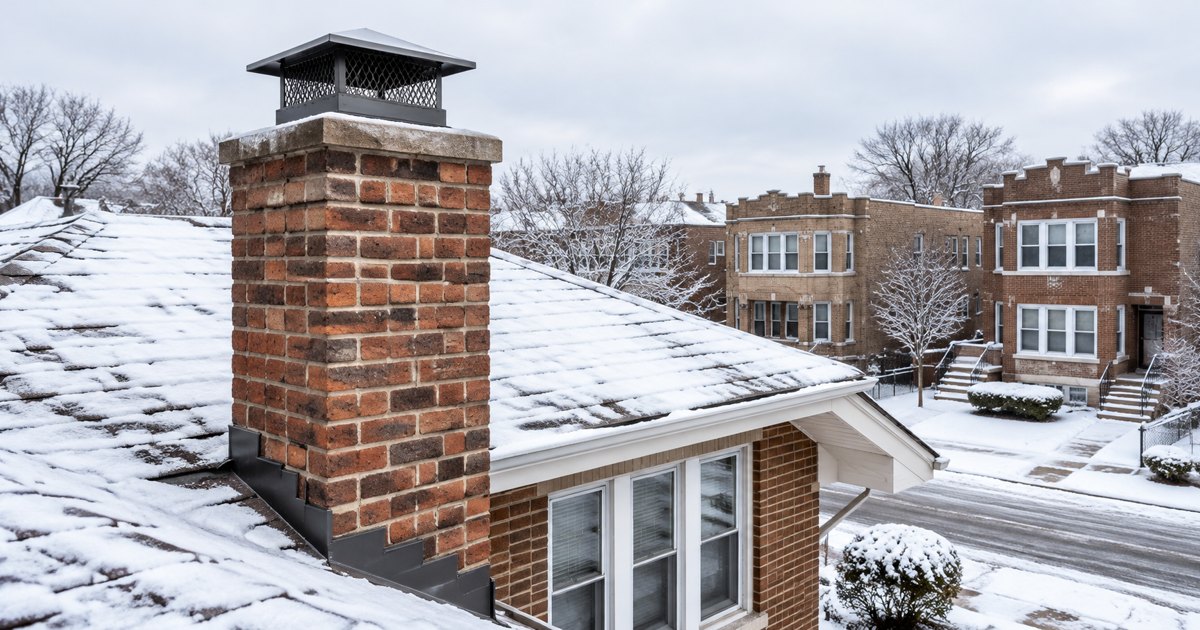
Roof work is not a safe diagnostic task for a homeowner, especially on wet, snowy or icy surfaces. Observe from the ground and let the provider determine access. A photograph of the stack and neighboring rooflines can help explain the situation without climbing.
A damaged or unsuitable cap can be part of a problem, but replacement should follow evaluation. Purchasing a product solely because its packaging mentions draft can leave the real cause untouched and may be inappropriate for the appliance.
What to record before calling
Make a short written description while the fireplace is out of use. Include the appliance type, last inspection and cleaning dates, whether smoke occurs at startup or later, weather conditions and any recent renovation or fuel change. Note animal noises, falling debris, odors and visible stains separately.
Photograph accessible, cold components from a safe position. Do not place yourself near a hazardous system to obtain a video, and do not relight a fire to reproduce the issue for the contractor. A clear description is enough to begin planning the appropriate assessment.
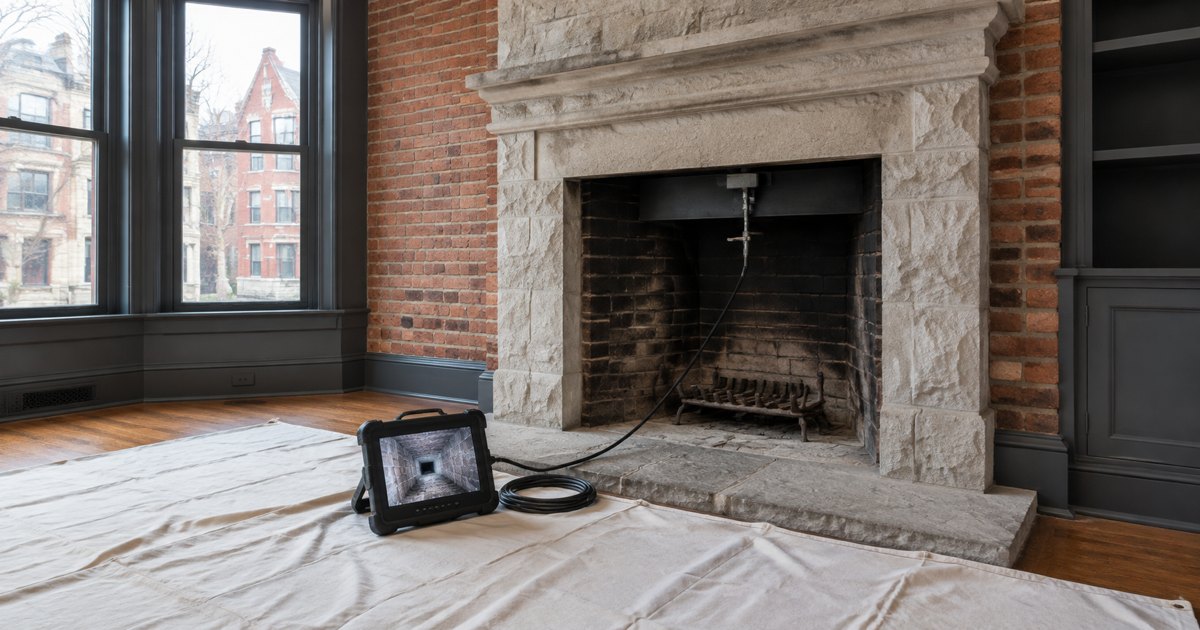
Ask what inspection scope is proposed, whether cleaning is needed before surfaces can be evaluated and how the findings will be documented. The inspection-level guide explains why a camera scan or further investigation may be appropriate in some situations.
Emergency signs and returning to service
For an alarm or immediate danger, leave and call emergency services. A quote request is not an emergency response. After a suspected chimney fire or other damaging incident, do not use the appliance again simply because the visible smoke stopped. The venting system needs professional evaluation.
For a non-emergency recurring smoke problem, Chicago Chimney Pros can discuss chimney inspections and sweeping across the listed Chicago service areas. Call (773) 820-8002 or request a free quote, describing the symptoms rather than guessing the repair.
This guide draws on EPA and CSIA educational material. EPA's Burn Wise pages are archived and have not been updated since October 2025. Current appliance instructions and applicable requirements govern your system. Neither this article nor a temporary improvement in draft establishes that an individual chimney is safe.