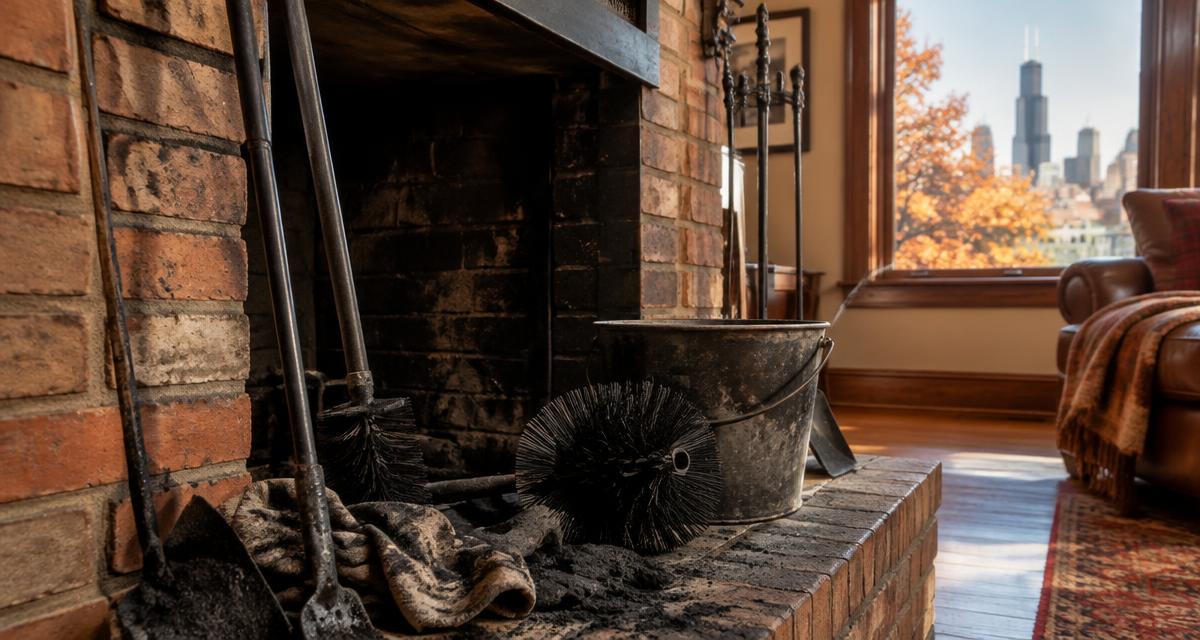
If you have a wood-burning fireplace in Chicago, there's a good chance you've wondered whether your chimney really needs cleaning every year — or whether that's just something sweeps say. The honest answer is: every chimney should be inspected once a year, and it should be cleaned whenever that inspection finds enough buildup to matter. For many Chicago homes that burn wood regularly through the winter, that works out to an annual sweep. For others, it may be less often.
This guide explains what actually determines how often your chimney needs cleaning, what the national safety standard says, and how to tell when you're overdue.
What the safety standard says
The National Fire Protection Association's standard for chimneys, fireplaces and vents (NFPA 211) recommends that chimneys be inspected at least once a year and cleaned as needed. The standard doesn't set a fixed cleaning interval because no two chimneys are used the same way.
Industry guidance commonly treats roughly 1/8 inch of soot and creosote buildup as the point where a sweep is due. Beyond that, the deposits become a real fire risk and start restricting draft.
So the yearly visit is really an inspection first. If the flue is clean, you're done. If it isn't, the sweep happens at the same appointment.
What affects how often you need a sweep
How much you burn
A fireplace used every weekend from November through March builds up far more creosote than one lit on a few holidays. If you burn regularly through a Chicago winter, plan on an annual sweep. If you rarely use it, an inspection may show cleaning can wait.
What you burn
Seasoned hardwood — split and dried for six months or more — burns hotter and cleaner than green or wet wood. Burning wet wood, cardboard, wrapping paper or trash creates heavy, sticky creosote quickly. Artificial fire logs vary by product, so follow the manufacturer's guidance.
How you burn
Slow, smoldering fires with the damper half-closed produce more smoke and more creosote. Hotter, well-ventilated fires leave less behind. Cold flues also condense smoke faster, which is one reason exterior chimneys on older Chicago homes can collect buildup quickly.
The type of appliance
- Open wood fireplaces typically need the most attention.
- Wood stoves and inserts can build creosote fast because they run slower and cooler.
- Gas fireplaces don't produce creosote, but still need yearly checks for blockages and liner condition.
- Oil and older gas furnace flues can collect soot and debris and should be inspected as part of routine maintenance.
The condition of the flue
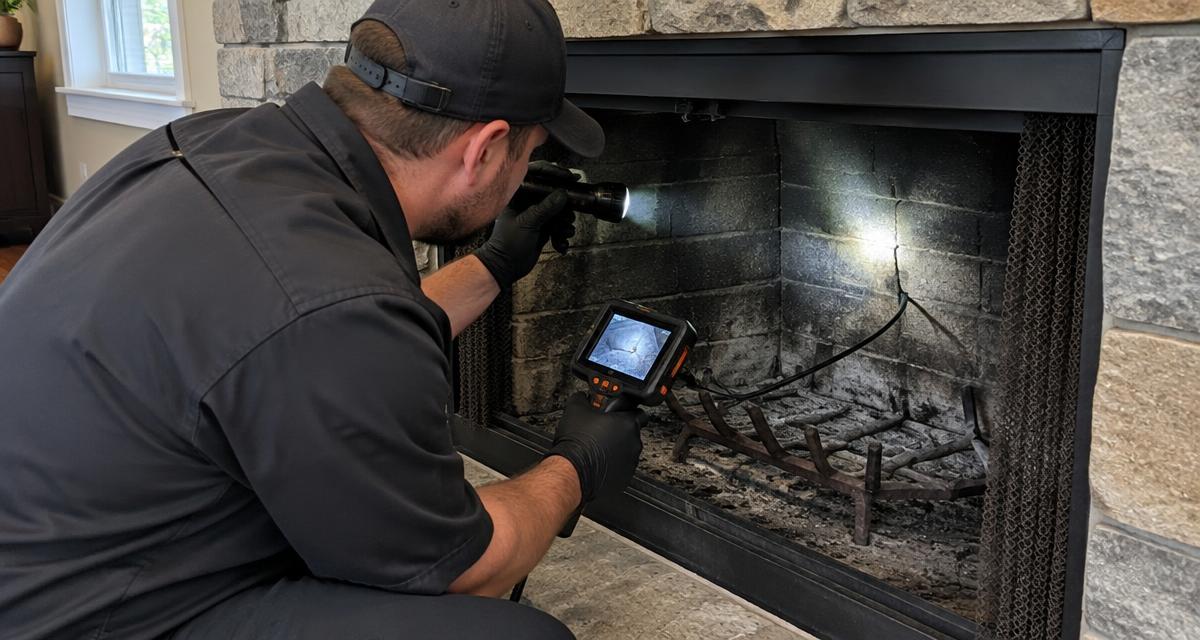
Cracked flue tiles, missing mortar joints or an undersized liner all change how smoke moves and where deposits form. That's why a camera inspection of the full flue is so useful — you can't judge the inside of a chimney from the firebox.
Signs your chimney needs cleaning now
Don't wait for the calendar if you notice any of these:
- A strong, smoky or tar-like smell from the fireplace, especially on humid days
- Smoke rolling back into the room instead of going up the flue
- Fires that are hard to start or keep going
- Black, flaky deposits falling into the firebox
- A dark, shiny, tar-like coating on the damper or smoke chamber
- Animal noises or debris coming down the chimney
- It's been more than a year since anyone looked at it
If you've had a chimney fire — a loud rumbling, a roaring sound, or flames or dense smoke from the top of the chimney — stop using the fireplace until it has been inspected.
Why Chicago homes deserve extra attention
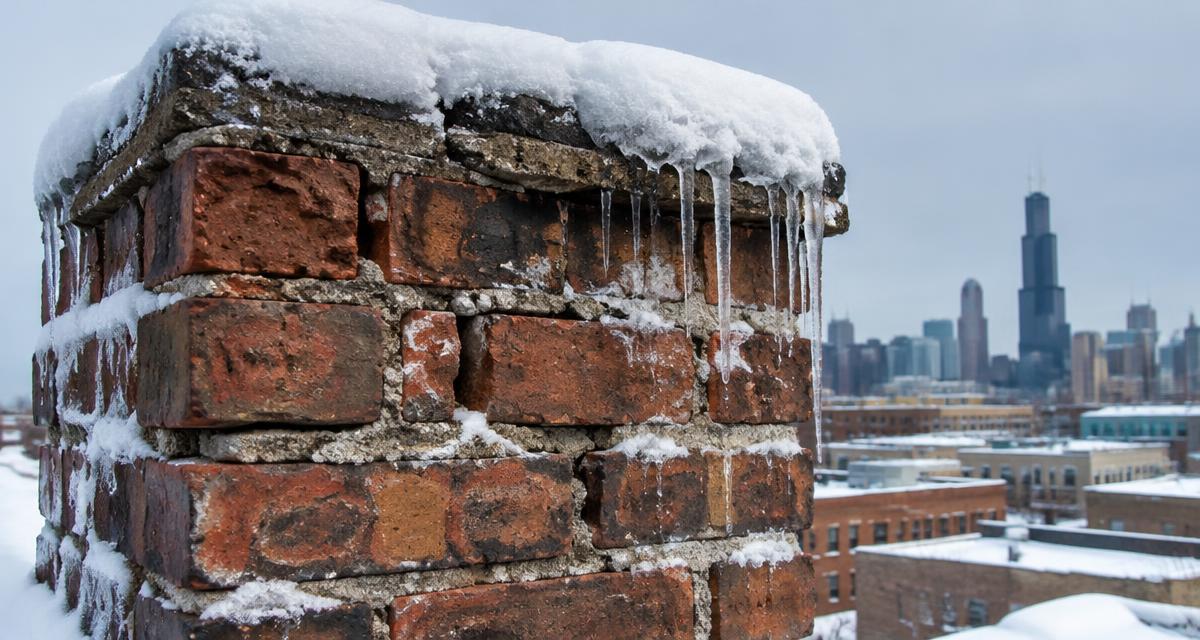
Chicago's housing stock includes a lot of older brick two-flats, bungalows and greystones with original masonry chimneys. Many have clay tile liners that are decades old, and some have no liner at all. Our long freeze-thaw season also means water gets into small cracks, freezes and widens them.
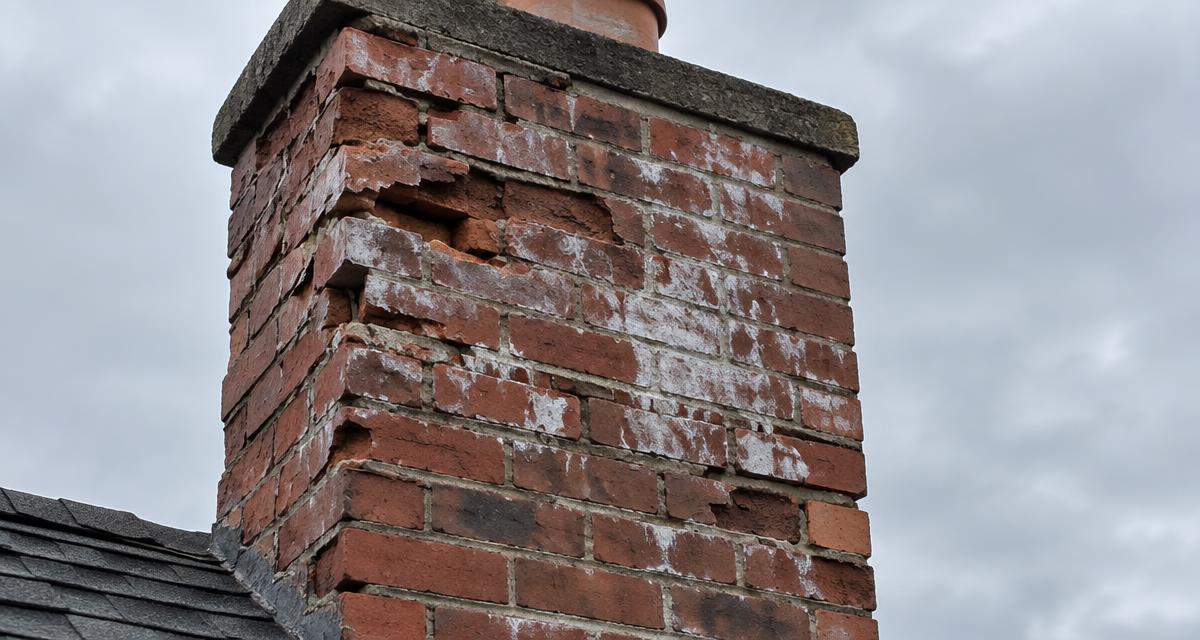
Those conditions don't automatically mean more cleaning, but they do mean the yearly inspection matters more. A sweep is the best chance to catch a cracked tile, a deteriorating crown or a missing cap before it becomes an expensive repair. You can read more about winter damage in our guide to chimney damage after Chicago winters.
When to schedule
The best time to have your chimney cleaned is before you need it — late summer or early fall, before the first cold snap. Fall fills up quickly once temperatures drop. We cover timing in more detail in the best time of year for chimney cleaning in Chicago.
What happens during a professional sweep
A proper chimney sweeping appointment should include:
- Protecting the room with drop cloths and running a sealed HEPA vacuum so soot stays out of your home.
- Brushing the full length of the flue, plus the smoke chamber, smoke shelf and firebox.
- Removing any nests or debris.
- Inspecting the damper, firebox, liner and visible exterior.
- Showing you before-and-after photos and explaining anything that needs attention.
If there's something the sweep can't see, such as hidden liner damage, a camera scan as part of a chimney inspection is the next step.
The bottom line
Have your chimney inspected every year. Clean it when the inspection says it's needed — for most Chicago homes that burn wood through the winter, that means once a year. Burn dry hardwood, keep fires hot, and don't ignore smells, smoke or falling debris.
If it's been a while, or you're not sure when the chimney was last looked at, request a free quote or call us and we'll get you on the schedule before heating season.