Before using a fireplace in a newly purchased home, get a chimney-specific assessment rather than assuming a general home inspection or a freshly cleaned firebox proves it is safe. For a property transfer, the Chimney Safety Institute of America's guidance calls for a Level 2 inspection. Arrange it early enough to understand the findings while you still have time to discuss the transaction with your agent or attorney.
Chicago's older bungalows, greystones and two-flats can have attractive masonry fireplaces alongside systems that have changed over decades. A renovated room tells you little about the liner behind the brick. This guide helps you ask useful questions, identify the records worth requesting and understand why a chimney report should describe both what was inspected and what could not be accessed.
What a general home inspection may not establish
A general home inspector can flag visible concerns, but their contracted scope may not include a video scan of the full flue, evaluation of every appliance connection or access to concealed chimney components. Ask the inspector what their fireplace and chimney examination includes rather than treating the word inspected as a complete specification.
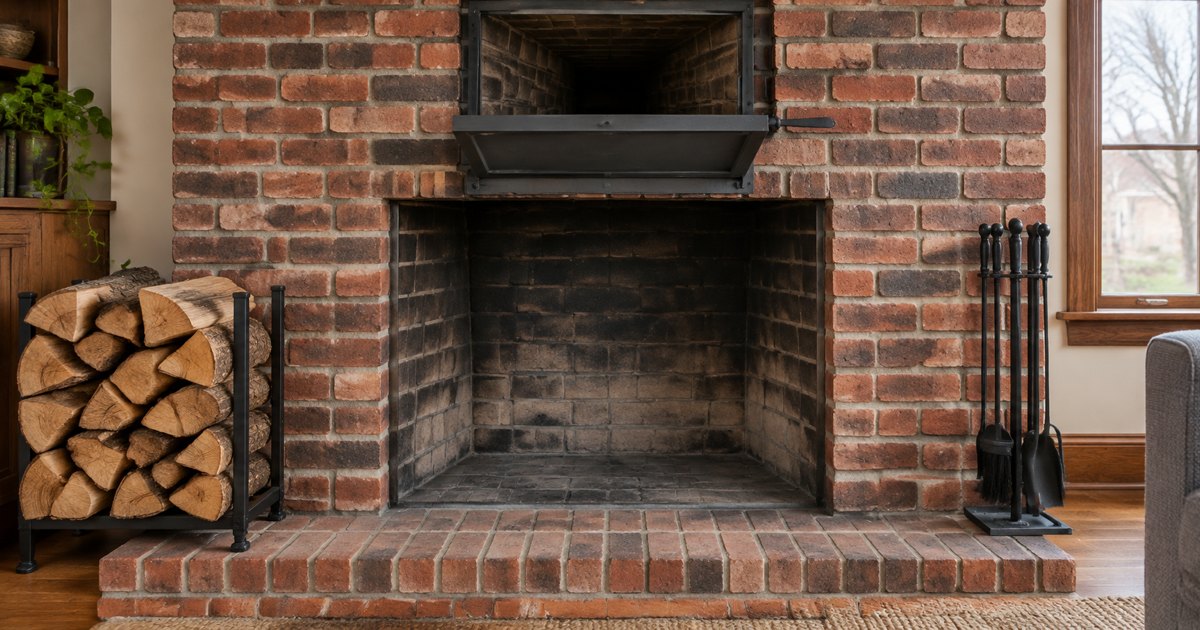
A painted mantel, clean hearth or new decorative screen does not reveal whether the liner is continuous, whether clearances are adequate or whether an insert was installed according to its instructions. Likewise, a seller's statement that the fireplace was rarely used is not proof that the vent is clear or suitable.
Have the chimney-specific report identify the appliance, flue, accessible portions and limitations. Keep the general home report and chimney report together so findings about the roof, water intrusion and heating equipment can be considered alongside each other.
Why Level 2 matters during a property transfer
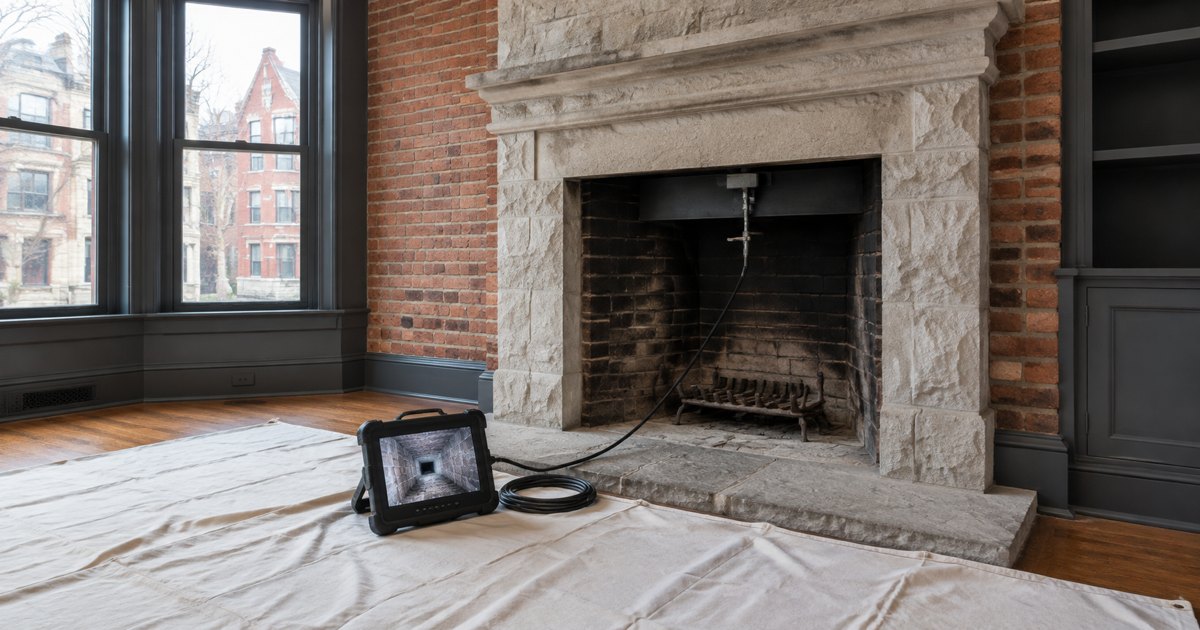
The CSIA's inspection-level guidance identifies a sale or transfer of property as a situation requiring a Level 2 inspection. It also describes system changes and certain events as reasons for that level of examination. A Level 2 includes accessible areas and internal evaluation using video scanning or another appropriate method.
That does not mean the inspector can see through every finished wall or certify all hidden construction. The report should explain access limits and whether a concern needs a more invasive investigation. A Level 3 inspection is not automatically needed for every old home; it is used when a suspected hazard requires access beyond the preceding levels.
Read our inspection-level comparison and ask the provider to specify the proposed level in writing. Confirm how many flues are included. A quote for one fireplace passage is not necessarily a quote for every vent within the stack.
Request the seller's records before the visit
Ask for previous chimney inspection reports, cleaning receipts, repair scopes and appliance installation documents. For an insert or gas conversion, request the model information and any available installation or permit records. Missing paperwork is a reason to verify the system, not an automatic finding that it is defective.
Useful questions include when the fireplace was last used, whether smoke ever entered the room, whether the chimney leaked and whether any chimney fire or major storm damage is known. Ask whether a cap, crown, liner or flashing has been repaired and what problem the work was intended to solve.
Do not ask the seller to light a demonstration fire as a substitute for inspection. A system can draft on one day and still have defects. If the inspection identifies a concern, obtain the report and discuss it through the proper transaction channels rather than relying on an informal assurance.
Identify every appliance and every flue
A masonry stack can hold multiple separate flues. In a two-flat, ownership and appliance connections may be more complicated than they appear from one living room. Ask which flue serves the fireplace and whether the stack also vents a furnace, boiler or water heater.
The exterior stack and each individual venting passage are related but not identical. A cap over one passage does not mean another opening is protected. A repair report that says chimney repaired should identify which component and passage were addressed.
For a condominium or shared building, request association records and confirm responsibility for access and repairs. This article cannot interpret your ownership documents. Your agent, attorney or association can help establish who may authorize work and how a repair proposal should be handled.
Exterior observations worth discussing
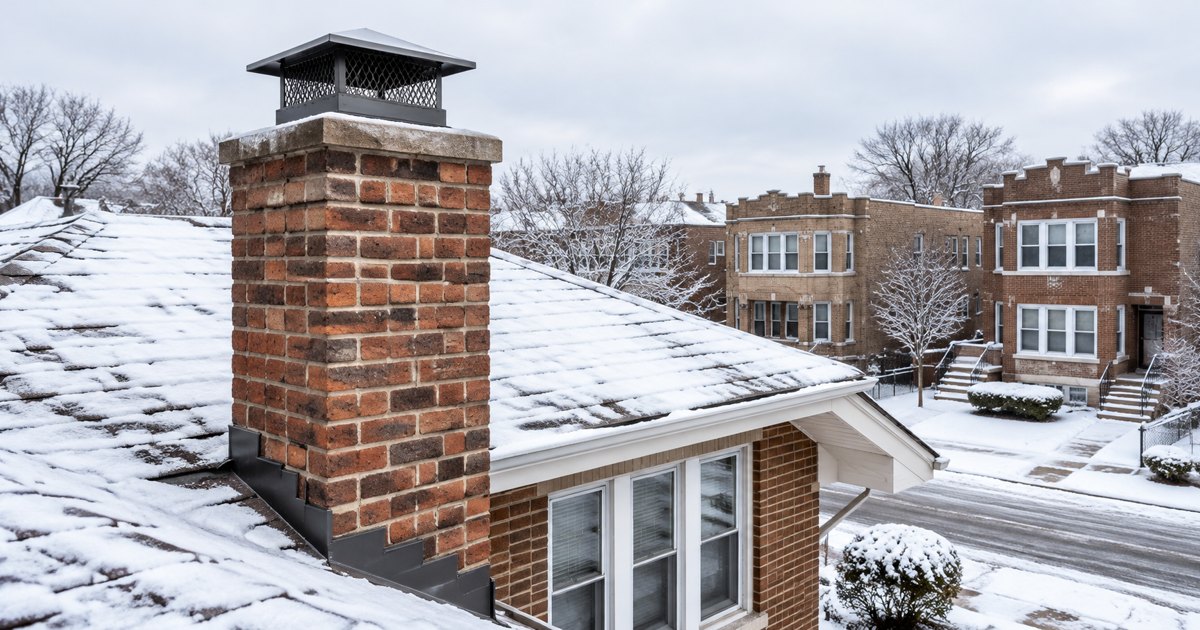
From the ground, note leaning masonry, loose brick, open-looking joints, a missing cap or staining near the roof intersection. Indoors, note stains on ceilings or walls around the chimney and ask whether they recur after rain or snowmelt. Photographs help record the issue, but they do not identify the source by themselves.
A crown, flashing joint, roof detail or deteriorated mortar may contribute to a leak. Our chimney leak guide explains those categories. A recent bead of sealant is not enough information to judge whether the underlying problem was addressed.
Never climb onto the seller's roof to investigate. Let the inspection provider determine safe access and document weather or access limitations. If material may fall, keep people away from that area and inform the responsible property owner.
Read the findings by risk and scope
Ask the inspector to separate conditions that affect use from maintenance recommendations and cosmetic observations. Request photographs or video stills that identify the location of significant defects. If the report recommends not using an appliance, keep it out of service until the required evaluation or repair is complete.
Cleaning may be needed to expose liner surfaces for evaluation. That does not mean sweeping fixes a cracked liner. Similarly, masonry tuckpointing improves deteriorated joints but does not by itself establish correct vent sizing or appliance compatibility.
A useful report explains the finding, its significance and the next action. If a recommendation is unclear, ask for clarification before seeking bids. Different contractors cannot produce comparable scopes when one is quoting a cap and another is quoting relining plus masonry work.
Build a repair estimate without invented price ranges
Chimney work depends on access, height, number of flues, liner dimensions, appliance type and the condition of the structure. Instead of relying on a generic internet price range, request an itemized scope for the particular findings. Separate inspection charges, cleaning, materials and repair work where possible.
Ask what is included, what remains unknown, whether additional access could change the scope and how any change would be approved. Confirm permit responsibilities and whether a follow-up inspection or documentation is needed before use. Do not assume that an estimate includes every component in the original report.
Bring the findings and estimates to your real-estate professionals. This guide does not tell you whether to buy the home, what concession to request or how a contract contingency operates. Those decisions depend on the transaction and your advisers.
After closing: document before the first fire
Keep the inspection report, repair agreement, photographs and appliance instructions in one place. Confirm that safety recommendations were addressed, not simply that a contractor attended the property. Ask what must be checked before restarting the appliance and who supplies that confirmation.
New owners may also change fuel, add an insert or renovate the surrounding room. Discuss those plans before purchasing equipment. A fireplace opening that fits an insert visually does not establish that the chimney and installation meet its requirements.
For homes in Lincoln Park, Lakeview, Skokie or Evanston, Chicago Chimney Pros can discuss a chimney inspection and a free quote request. Call (773) 820-8002 with the property type, appliance information and your inspection deadline. An appointment is not confirmed until availability is agreed.
Sources and limits
This guide uses the CSIA's inspection-level guidance and the EPA's annual wood-burning system inspection guidance. EPA's Burn Wise pages are archived and are no longer updated after October 2025. The inspection provider must consider the actual installation and current applicable requirements. This article is educational, not a property inspection or legal advice.