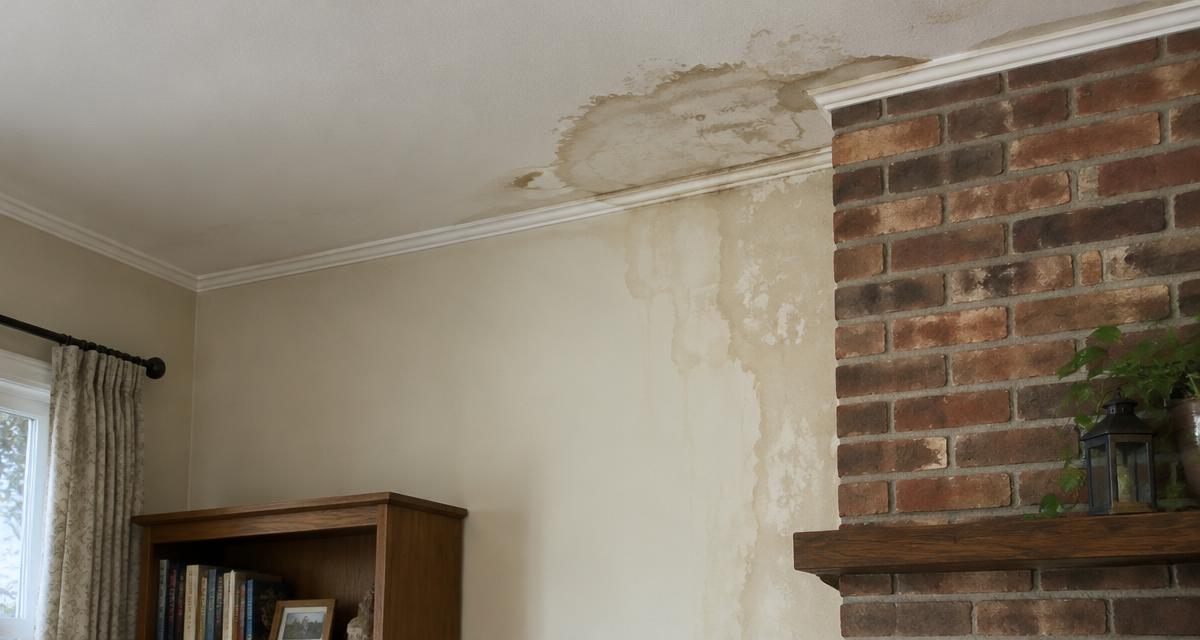
A brown stain on the ceiling next to the fireplace. Damp brick on the chimney breast. A musty smell after a storm. Chimney leaks are one of the most common calls we get in Chicago, and they're also one of the most misunderstood.
Water can enter a chimney in several ways, and fixing the wrong one wastes money. This guide explains the most common sources and how each is repaired.
Why chimney leaks matter
A small leak doesn't stay small. Water that gets into or around a chimney can:
- Stain and soften drywall and plaster
- Rot roof decking, rafters and framing
- Rust the damper and firebox components
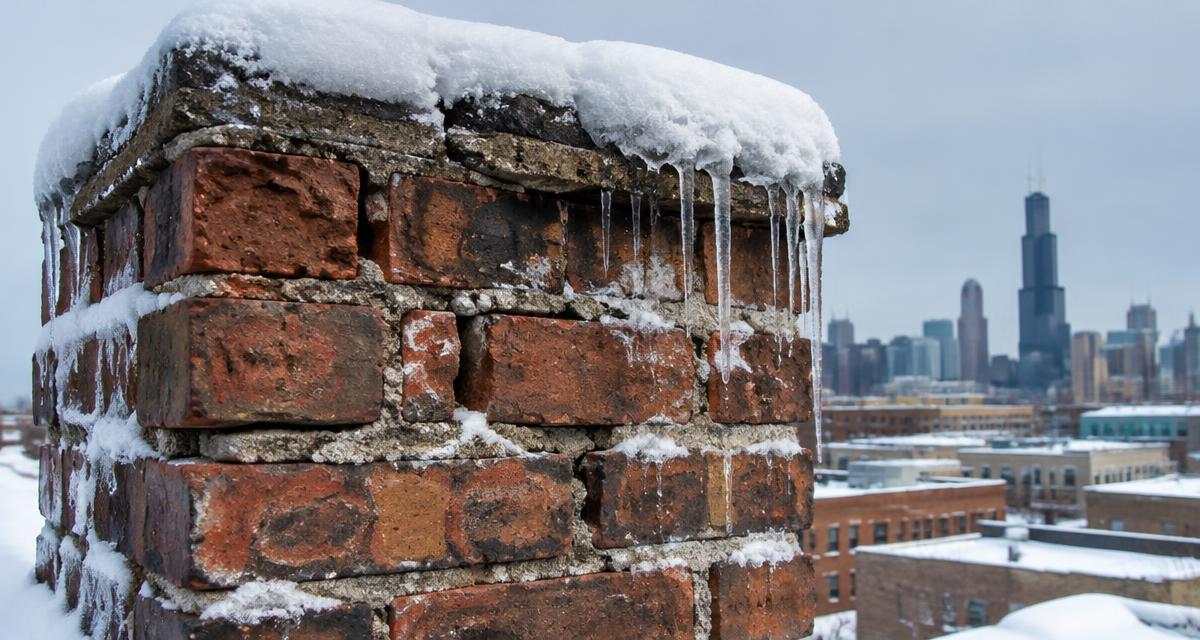
- Break down mortar and brick through freeze-thaw cycles
- Damage clay flue tiles
- Encourage mold growth in walls and attics
Because the source is often high on the roof, leaks are easy to ignore until the damage shows inside.
The most common sources of chimney leaks
1. No chimney cap, or a damaged one
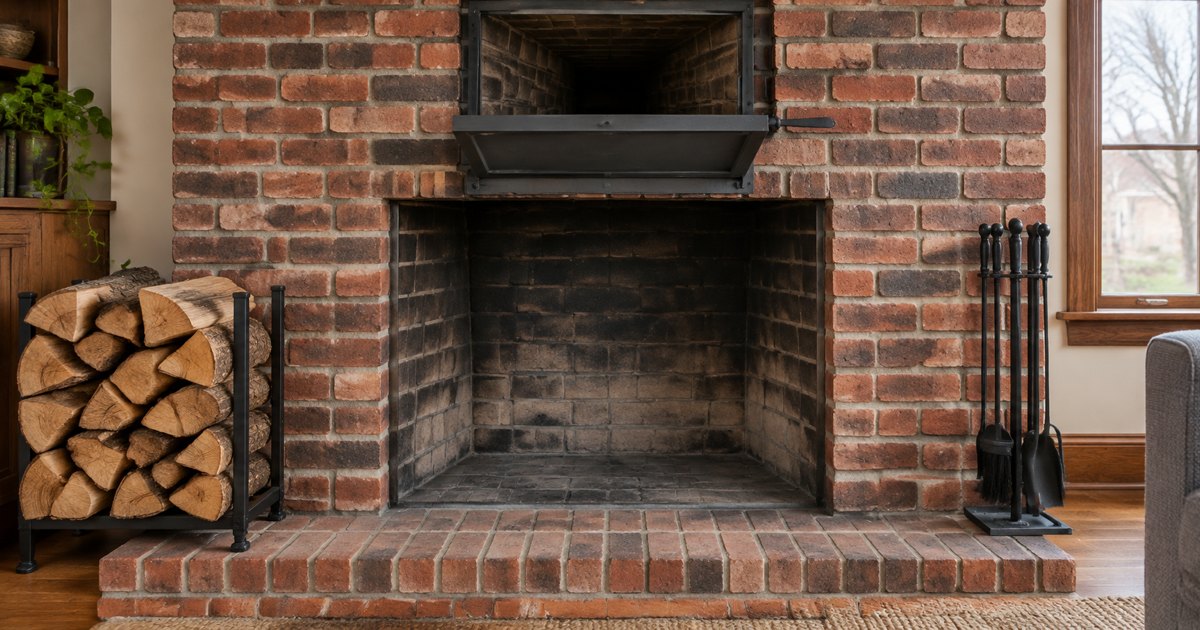
Without a cap, rain and snow fall straight into the flue. The water runs down the inside of the chimney, rusts the damper and pools in the smoke chamber or firebox.
Repair: Install a properly sized stainless or copper chimney cap. Read more in why a chimney cap matters.
2. A cracked chimney crown
The crown is the slab on top of the chimney around the flue. When it cracks, water flows directly into the masonry below. Crowns built flush with the brick — with no overhang — also let water run down the face of the chimney.
Repair: Seal minor cracks or rebuild the crown with proper slope and overhang. See our chimney crown repair guide.
3. Deteriorated mortar and porous brick
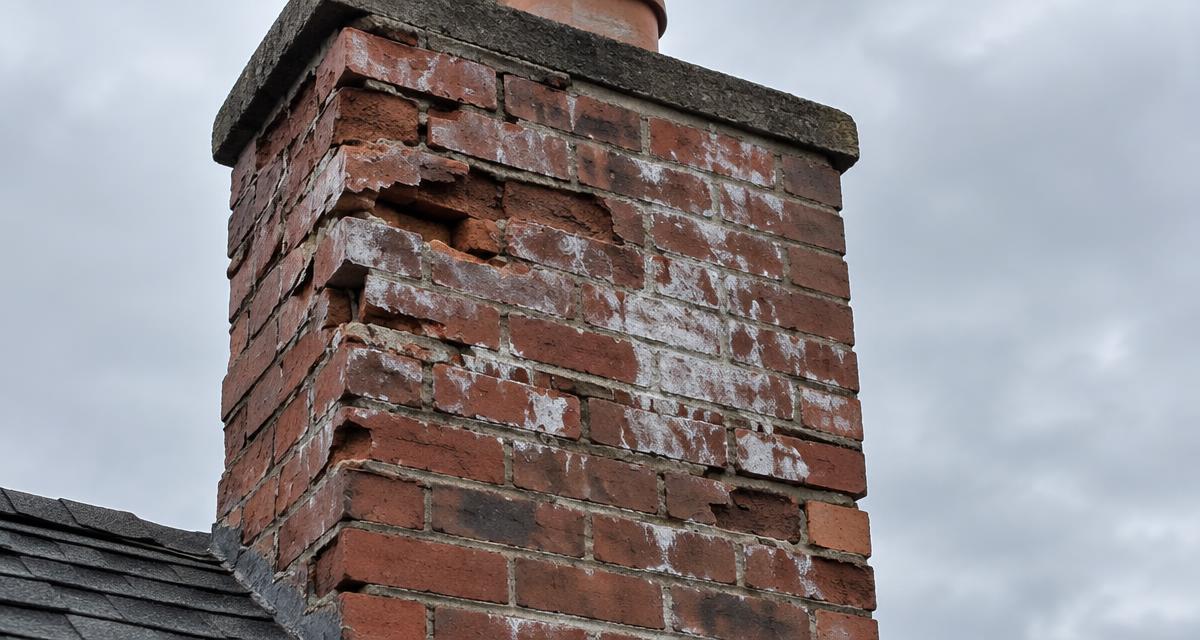
Brick and mortar absorb water. When mortar joints erode, a lot more water gets in, and wind-driven rain can push it through the chimney wall into the house.
Repair: Tuckpointing to restore the joints, replacing damaged bricks, and applying a breathable water repellent once the masonry is sound.
4. The connection between the chimney and the roof
Where the chimney passes through the roof, metal flashing is meant to keep water out. If that seal fails, water can run down the outside of the chimney into the attic or ceiling.
Repair: Our inspection will check this area and tell you what we find. Depending on the problem, the fix may involve the roofing as well as the chimney.
5. Condensation inside the flue
Not every damp chimney is a leak. Flue gases from some gas or oil appliances contain water vapor. If the flue is too large, unlined or cold, that vapor can condense inside the chimney and soak the masonry.
Repair: Usually a properly sized liner for the appliance. An inspection with a camera can confirm what's happening.
How to narrow down the source
Before calling, note:
- When it leaks. Every rain, only heavy storms, or during snowmelt?
- Where the water shows up. Ceiling next to the chimney, inside the firebox, attic or basement?
- Whether there's a cap. You can often see this from the street with binoculars.
- What the outside looks like. Crumbling mortar, white staining or flaking brick?
Photos of the stains and the outside of the chimney help a lot.
Leaks that show up inside the firebox usually point to the cap or crown. Leaks on the ceiling beside the chimney often point to the roof connection or the masonry. Stains that appear only in heavy, windy storms often mean water is pushing through the brick itself.
Temporary steps while you wait
- Don't use the fireplace if water is coming into the firebox.
- Move furniture and valuables away from the wet area.
- Put a bucket or towels under active drips.
- Don't climb onto a wet or icy roof yourself.
How we approach a leak
- Inspect the full system — cap, crown, masonry, the roof connection area and the flue.
- Identify the most likely sources, with photos.
- Explain the options, starting with the repair most likely to stop the water.
- Repair with the right materials for your chimney.
Most leak repairs fall under our masonry and repair and cap and damper services. If we're not sure of the source, a Level 2 inspection with a camera scan can help.
Stop the leak before winter
Water plus freezing temperatures is the fastest way to damage a chimney. If you've seen stains or damp brick, request a free quote or call us and we'll help track down the source.