The chimney crown is easy to overlook. You can't see it from the ground, and most homeowners don't know it's there. But the crown is effectively the roof of your chimney — and when it fails, water goes straight into everything below it.
What is a chimney crown?
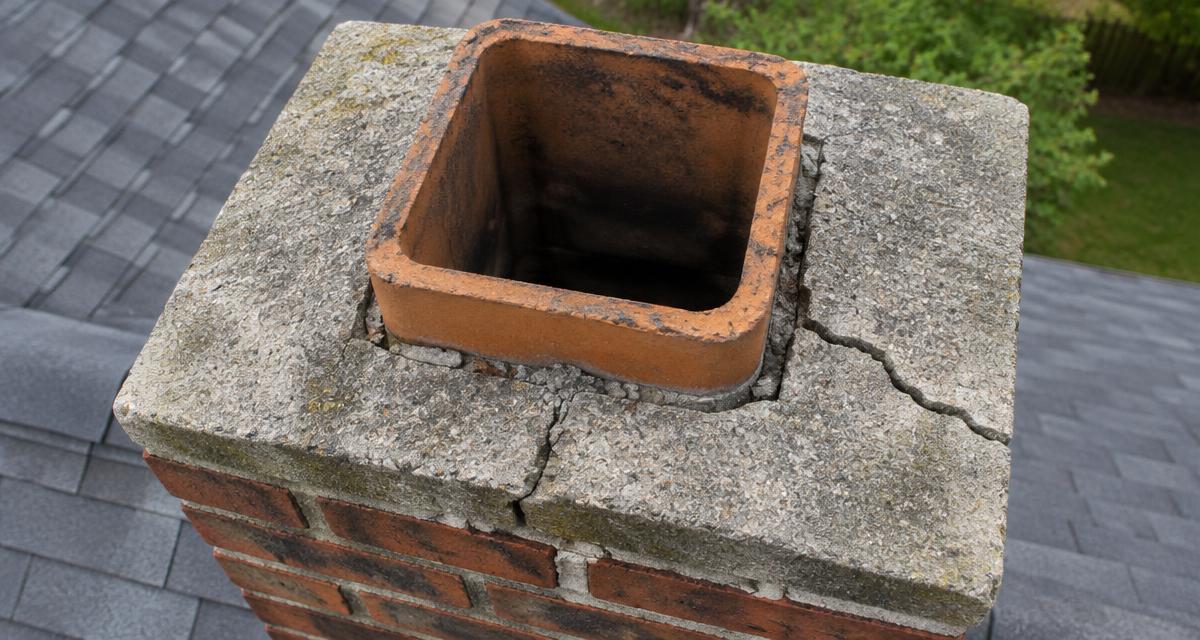
The crown is the slab that covers the top of the chimney around the flue tiles. Its jobs are to:
- Seal the top of the masonry from rain and snow
- Slope water away from the flue
- Overhang the brick so water drips clear of the chimney face
- Allow the flue tile to expand and contract with heat
A well-built crown is usually concrete, sloped, and extends past the edge of the brick with a drip edge underneath.
Why crowns crack
Poor original construction
Many crowns were built as a thin layer of mortar smeared over the top bricks. These "mortar washes" crack easily and have no overhang, so water runs straight down the chimney.
Freeze-thaw cycles
Small cracks let water in. When it freezes, it widens them. Chicago's long cold seasons make this especially common — see chimney damage after Chicago winters.
No room for expansion
The flue tile and crown expand at different rates as they heat and cool. If the crown is bonded tightly to the tile, the stress can crack both.
Age
Even good crowns eventually wear out from decades of sun, rain, ice and heat.
Signs your crown may be damaged
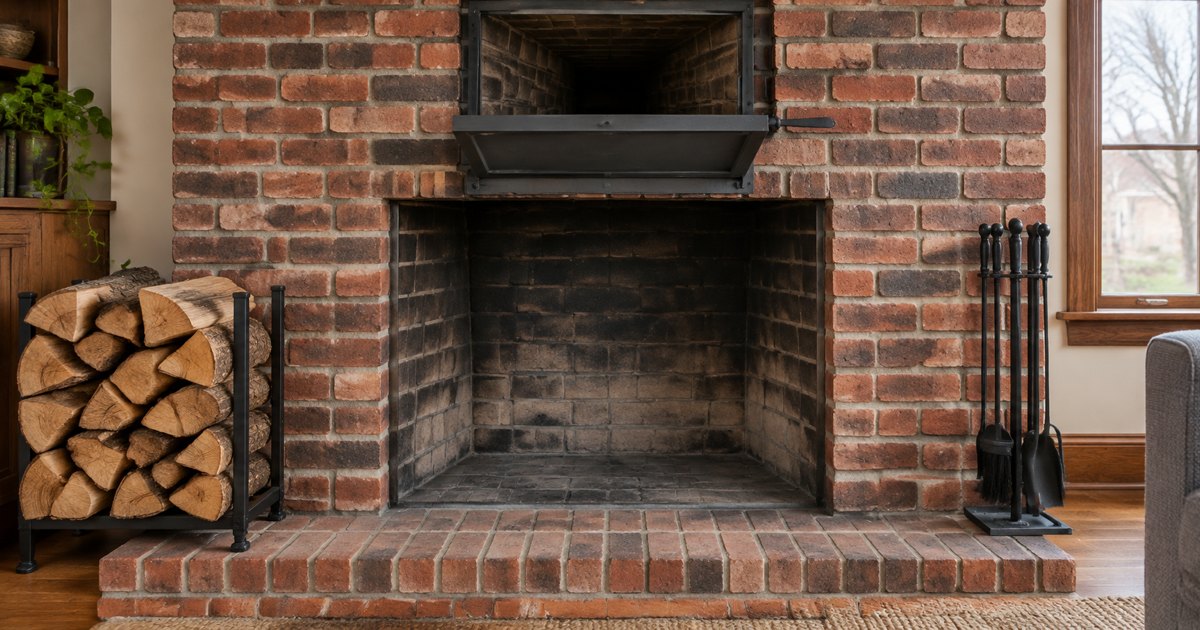
- Water in the firebox after rain
- Rust on the damper or inside the fireplace
- Flaking or spalling brick near the top of the chimney
- Pieces of concrete on the roof or in gutters
- Efflorescence (white staining) near the top
- Cracks visible in photos taken from above
Many of these overlap with other problems. Our signs your chimney needs repair guide covers them in more detail.
Seal or rebuild?
When sealing works
If the crown is structurally sound with only hairline cracks, a flexible crown repair coating can seal it and extend its life. This is a less invasive repair that's often done in a single visit.
When rebuilding is better
A rebuild is usually recommended when:
- Cracks are wide or run all the way through
- Pieces are missing or loose
- The crown is a thin mortar wash with no overhang
- Water has already damaged the brick below
A rebuild removes the old crown and forms a new one with proper thickness, slope, overhang and drip edge. An expansion gap is left around the flue tile and sealed with a flexible material.
Fix the brick too
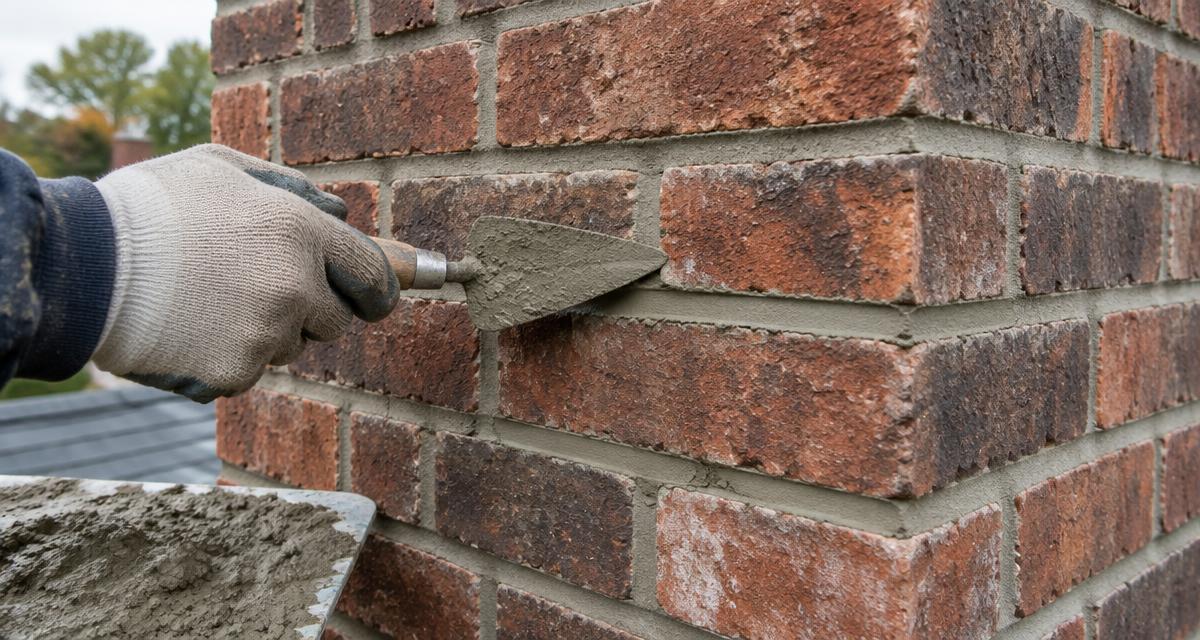
If the top courses of brick are loose or spalled, they need to be repaired or rebuilt before a new crown goes on — otherwise the crown sits on a weak base. That's part of our masonry and repair work, including tuckpointing.
Protect the new crown with a cap
A chimney cap shields the crown and flue from direct rain and snow and keeps animals out. Many homeowners add one when the crown is repaired. See our cap and damper installation service.
Timing
Crown work needs temperatures above freezing for concrete and coatings to cure. In Chicago that generally means spring through early fall. If a damaged crown is causing an active leak in winter, temporary measures may be possible until the weather allows a proper repair.
Get your crown checked
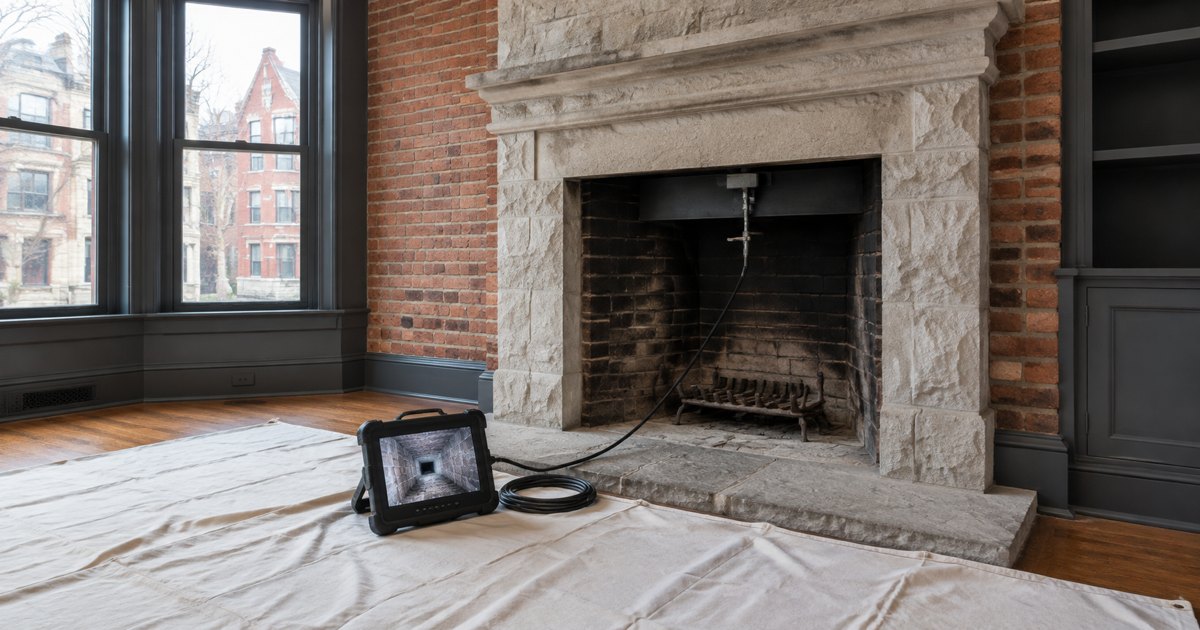
Because the crown is out of sight, the best way to know its condition is to have it inspected — often as part of your annual chimney inspection. If you've noticed water in the fireplace or flaking brick at the top of the chimney, request a free quote or give us a call.