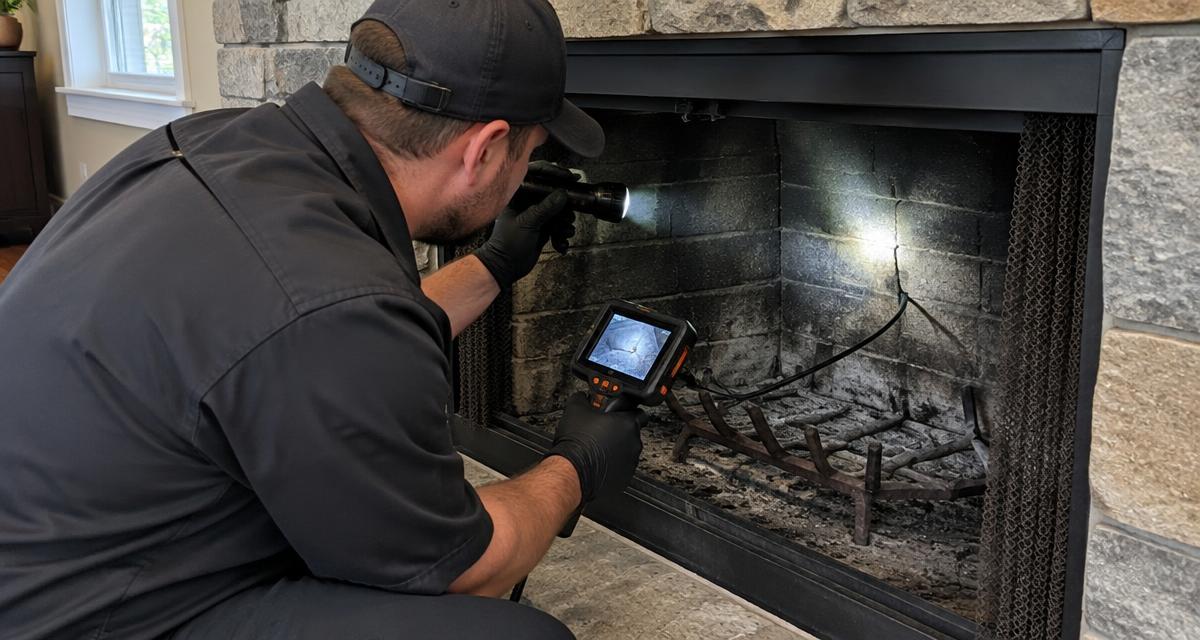
If you've ever booked a chimney inspection, you may have been asked which "level" you need. The levels come from NFPA 211, the national safety standard for chimneys, fireplaces and venting systems. Each level goes deeper than the one before it.
Knowing the difference helps you ask for the right inspection — and avoid paying for more than you need.
Level 1 inspection: the annual check
What it covers
A Level 1 inspection looks at the readily accessible parts of the chimney and fireplace:
- The firebox, damper and smoke chamber as far as they can be seen
- The visible interior of the flue
- The exterior of the chimney where accessible
- Clearances to nearby combustible materials where visible
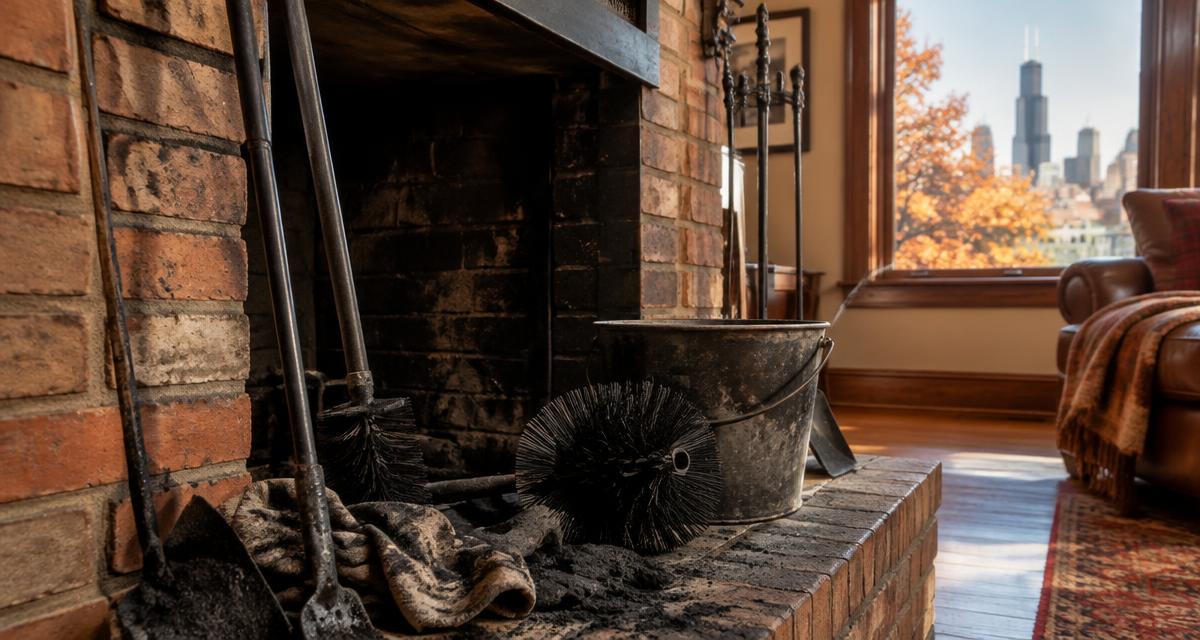
- Signs of obstructions or combustible deposits like creosote
When you need it
- Every year for a chimney you continue to use the same way
- When nothing has changed with your fireplace, stove or furnace
- When you haven't had a chimney fire or other damaging event
A Level 1 inspection is usually done at the same appointment as a chimney sweep. It's the baseline described in how often a chimney should be cleaned.
Level 2 inspection: the deeper look
What it covers
Everything in Level 1, plus:
- A video camera scan of the full interior of the flue
- Accessible areas of the attic, crawl space and basement where the chimney passes
- The exterior of the chimney, including the crown and cap
- Proper clearances and construction where accessible
The camera scan is the key difference. Cracked tiles, gaps in mortar joints, missing liner sections and hidden creosote often can't be seen any other way.
When you need it
- Buying or selling a home
- Changing your heating system — for example, switching from wood to gas, adding an insert or replacing a furnace
- After a chimney fire, earthquake, lightning strike, severe storm or other event that may have caused damage
- When a Level 1 inspection finds something that needs a closer look
Why it matters for Chicago real estate
Chicago has a lot of older homes with original clay tile liners. Those liners can look fine from the firebox and still have cracks higher up. A Level 2 inspection with video gives buyers a clear picture before closing and gives sellers documentation to share. Many of our real-estate inspections are in neighborhoods with older housing like Lincoln Park, Logan Square and Oak Park.
Level 3 inspection: when hidden damage is suspected
What it covers
Everything in Levels 1 and 2, plus access to concealed areas of the chimney. This may require removing parts of the chimney structure or the surrounding wall.
When you need it
A Level 3 inspection is only recommended when a Level 1 or 2 inspection suggests a serious hazard that can't be confirmed without reaching hidden areas — for example, suspected structural damage after a chimney fire.
Most homeowners never need one.
What a good inspection report includes
Whatever the level, your report should be clear and useful. Expect:
- Photos (and video for Level 2) of what was found
- A plain-language description of each problem
- Which issues affect safety and which are maintenance items
- Recommended next steps and clear pricing for any repairs
You should never feel pressured into repairs you don't understand. Ask to see the footage and have it explained.
Common problems inspections find
- Creosote buildup in the flue or smoke chamber
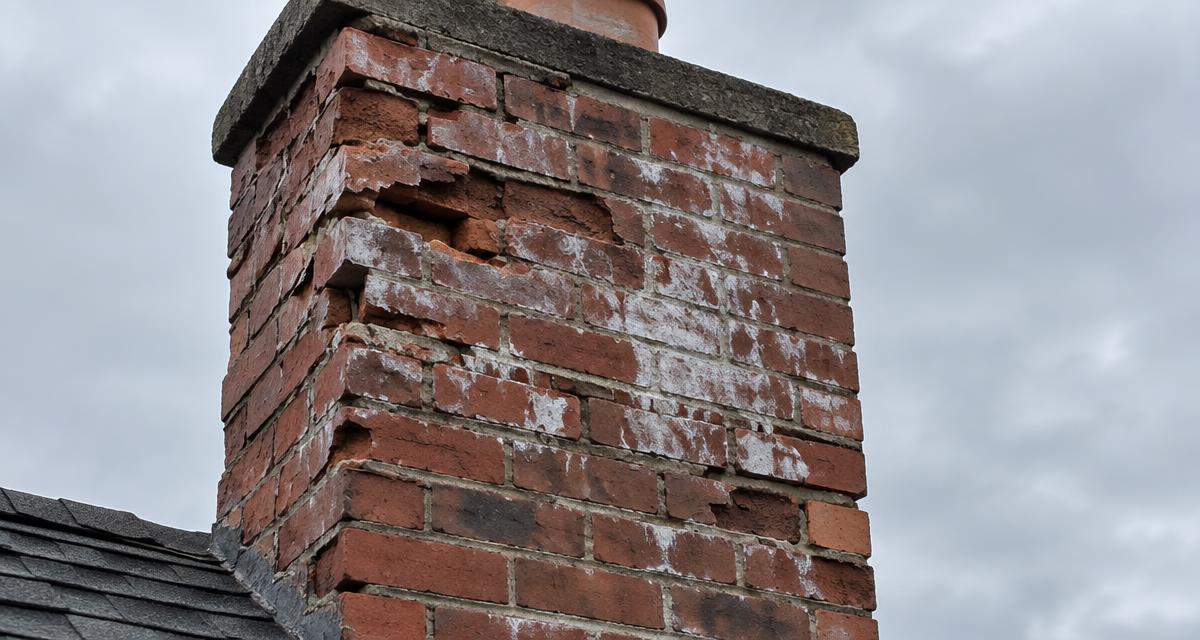
- Cracked or missing flue tiles and open mortar joints
- Animal nests and debris
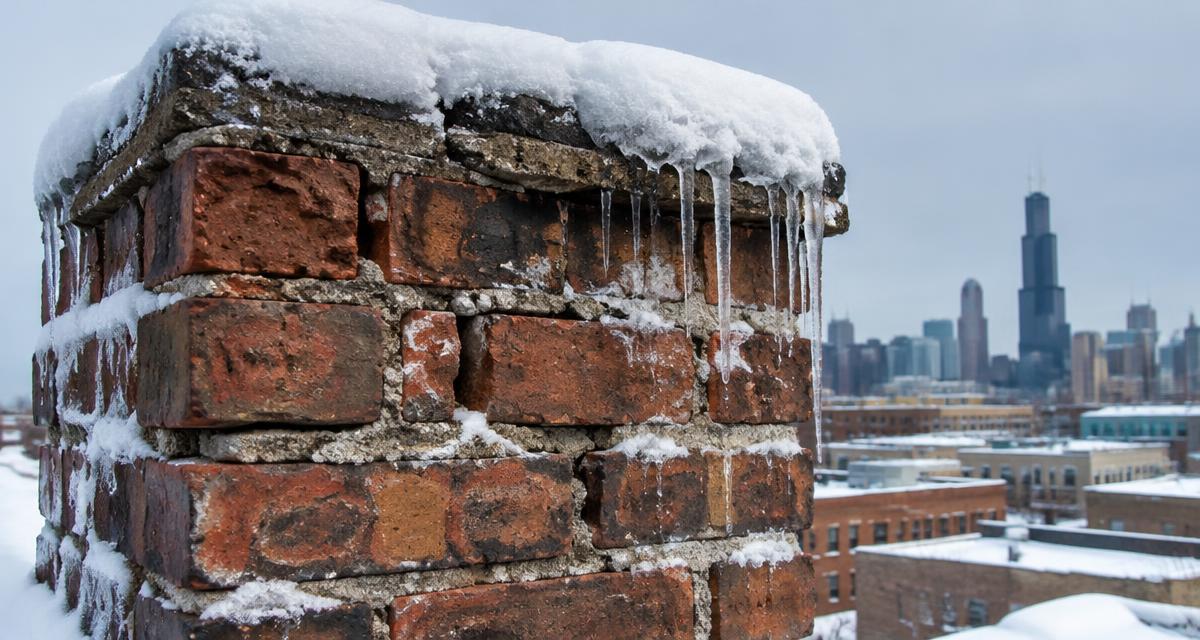
- A damaged crown, missing cap or worn masonry
- Rusted or broken dampers
- Water entry and staining
If problems turn up, the next steps are usually part of masonry and chimney repair or a cap and damper installation.
Choosing the right inspection
| Situation | Recommended level |
|---|---|
| Annual maintenance, no changes | Level 1 |
| Buying or selling a home | Level 2 |
| Switching fuel or appliance | Level 2 |
| After a chimney fire or storm | Level 2 |
| Suspected hidden structural hazard | Level 3 |
Schedule your inspection
Our chimney inspections follow NFPA 211 and include a written report with photos. If you're buying or selling a home, tell us your closing timeline when you request a quote and we'll do our best to fit you in.